
Paying too much on your business energy bills? Let’s fix that. Discover how to get the best electricity rates for business today—without the guesswork.
What Are the Best Electricity Rates for Business?
The best electricity rates for business are the lowest prices you can pay for power, based on your business type and location.
The price you pay depends on your size, how much energy you use, and when you use it. Small businesses often pay different rates than larger ones. But the good news? Every business can save if they shop smart.
Getting the best deal on electricity isn’t luck. It’s about knowing where to look and what to ask. In general, fixed-rate plans are the most budget-friendly.
They lock in one price for the whole term, usually 6–36 months. This helps you avoid surprise hikes. Businesses that use a lot of electricity during off-peak hours might save more with a time-of-use plan.
According to the U.S. Energy Information Administration (EIA), the average commercial electricity rate in the U.S. was 12.19 cents per kilowatt-hour in 2023. Some businesses, after switching suppliers, have reported savings of 15–30% on monthly bills.
Why Electricity Rates Matter for Your Business
Let’s say your business uses 10,000 kWh per month. If you’re paying 14 cents per kWh instead of a better rate of 11 cents, that’s $300 every month gone—$3,600 a year! That money could go back into your business, hiring a new worker, buying new gear, or boosting your profit.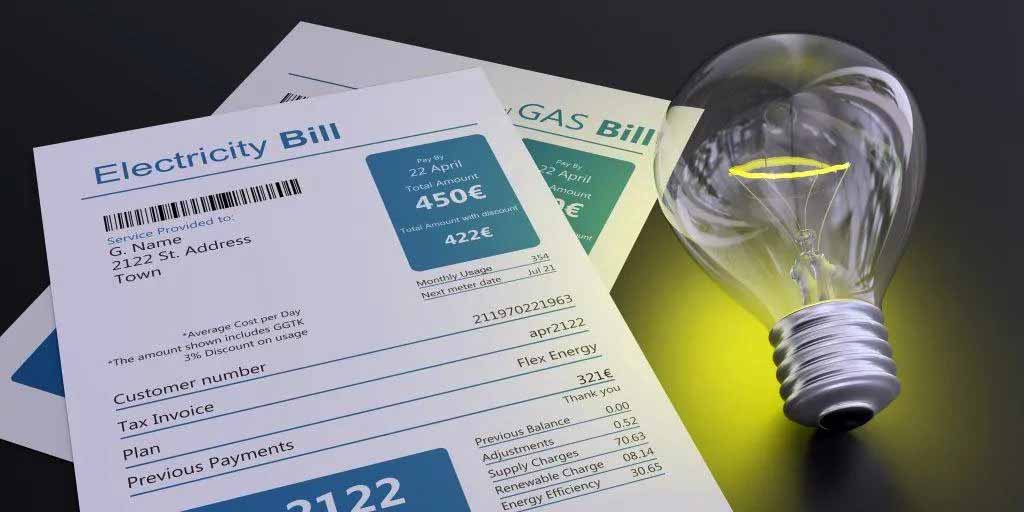
High electricity rates can also hurt your competitiveness. If your competitor has cheaper energy, they can offer services or products for less. And they boost their profit margins too.
A bakery in Dallas switched from a variable-rate plan to a fixed plan and saved over $5,000 in one year. That’s the kind of success real business owners see when they take control of their energy costs.
How to Find the Best Business Electricity Rates
1. Compare Suppliers Online
Use trusted comparison websites like EnergyBot or Choose Energy. Enter your zip code, business type, and usage.
You’ll get a list of plans you can choose from, just like comparing phone or internet plans. Many websites also tell you what percentage of power comes from green sources. That’s great if your business wants to go green too.
Texas, for example, has a deregulated market. This means businesses there can pick their electricity provider. Many suppliers compete in that market, which lowers prices. Pennsylvania, Ohio, and Illinois also have deregulated markets.
2. Look at Your Usage Patterns
Do you run a factory that works 24/7? Or do you run a café from 9 to 5? Your electricity plan should match how and when you use power.
If you use more energy at night or on weekends, look for time-of-use pricing. This charges less when demand is lowest. It may cut your bill in half!
For example, a laundromat in California switched to a time-of-use plan. They ran machines after 8 p.m. and saved $2,700 in their first year.
3. Choose Fixed-Rate Plans if You Want Stability
If you want easy budgeting, a fixed-rate plan is your friend. You pay the same rate every month for a set time. No surprise increases—even when market prices jump.
One small marketing agency in New Jersey got locked into a rate of 10.9 cents per kWh for 24 months. Market rates later rose to 13.5 cents. Their fixed plan saved them nearly $1,800 in just eight months.
4. Ask For a Custom Quote If You Use a Lot of Power
Big businesses can usually get better prices by asking for a custom rate. Suppliers want your business. They may offer a discount if you sign a longer contract.
If you use more than 100,000 kWh each year, you should talk to an energy broker or consultant. These experts know what’s fair and can help you get better terms.
5. Watch Out for Sneaky Fees
It’s not just the rate that matters. Some suppliers charge fees for early cancellation, paper billing, or smart meter reading. Always check the fine print.
As an example, an IT company in Georgia paid $750 in cancellation fees when they changed plans before the term ended. Ouch.
Look for contracts with no hidden fees and low extra charges. And always record your contract end date. That way, you can renegotiate or switch before rates go up.
Mistakes Businesses Make With Electricity Plans
- Not shopping around. Many business owners stick with their utility company and never compare options. That’s like buying gas from the first pump you see each time—sometimes at the highest rate.
- Ignoring contract terms. Just because your rate is low now doesn’t mean it’ll stay that way.
Overlooking demand charges. - Some businesses pay extra when they use lots of energy at once. This can be up to 30% of your bill. Smart meters and energy monitors can help track this.
Going Green Can Save You Money Too
Many electricity suppliers now offer renewable energy plans. These include solar, wind, or hydro power sources. Sometimes these are more expensive—but not always.
In fact, according to Deloitte, almost 50% of businesses using renewable energy saw reduced energy costs over time. And it helps with your brand image too.
One design firm in Oregon switched to 100% clean energy. They cut electric bills by 20% and used it in marketing to attract eco-friendly clients.
Some states offer tax credits or rebates for going green. Check your local energy office or ask your supplier about green incentives.
How Often Should You Switch Your Plan?
Most electricity contracts last from 6 months to 3 years. It’s smart to start shopping for a new plan 60–90 days before your contract ends. This gives you time to compare, lock in a better rate, or even try a new supplier.
Remember: Doing nothing often means you go into a month-to-month contract, which can be more expensive.
Conclusion
Don’t overpay for power. Follow these simple steps now to save:
- Compare electricity suppliers using online tools and reviews.
- Choose plans that suit your usage patterns and business size.
- Watch for hidden fees and plan renewals.
- That’s your power bill—under control.
Now it’s your turn. Find the best electricity rates for your business and start saving today!

