
Aging is a natural part of life, but modern skincare science offers an impressive range of ingredients that can help minimize fine lines, improve skin texture, and restore a youthful glow.
While there is no single magic bullet, dermatologists consistently point to a handful of proven ingredients that stand out for their effectiveness.
Retinoids (Retinol and Prescription Variants)
Retinoids are vitamin A derivatives that have earned their place as the gold standard in anti-aging skincare. They speed up cell turnover, stimulate collagen production, and reduce the appearance of wrinkles and dark spots.
Over-the-counter retinol is effective for many, while prescription-strength tretinoin works faster but can cause more irritation initially. Dermatologists recommend introducing retinoids gradually to allow your skin to adjust.
Vitamin C
A potent antioxidant, vitamin C fights free radical damage caused by environmental stressors like pollution and UV rays. It also brightens the skin and boosts collagen synthesis, leading to firmer, more even-toned skin.
The most effective formulas contain L-ascorbic acid in concentrations between 10 and 20 percent, often paired with vitamin E or ferulic acid for added stability and effectiveness.
Hyaluronic Acid
While it does not directly target wrinkles, hyaluronic acid is a powerful hydrator that can instantly plump the skin.
This moisture-binding molecule holds up to 1,000 times its weight in water, making it a favorite for restoring suppleness and minimizing the appearance of fine lines caused by dryness. Dermatologists suggest using it in serums or moisturizers for an immediate smoothing effect.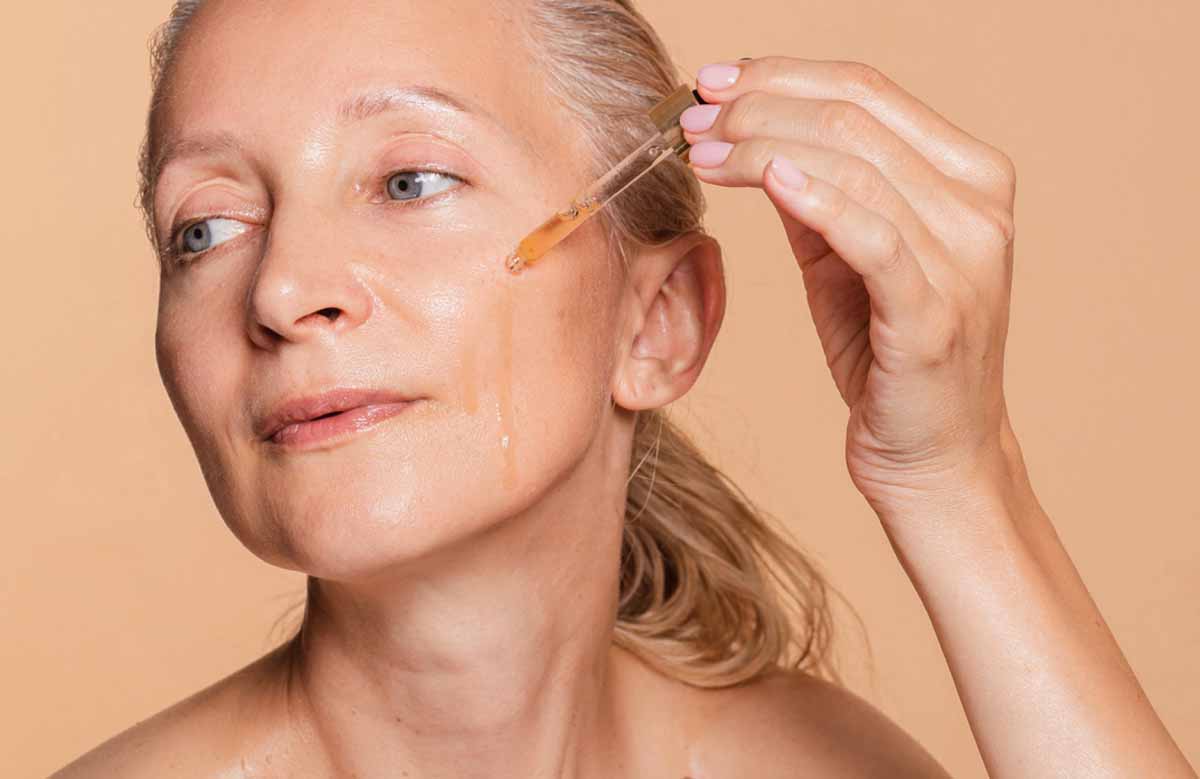
Peptides
Peptides are chains of amino acids that act as building blocks for proteins like collagen and elastin. Certain peptides signal the skin to produce more collagen, helping improve firmness and reduce sagging over time.
They are well-tolerated by most skin types and can be layered easily with other active ingredients. For those looking for professional guidance and customized treatment plans, clinics like dermani Medspa can be invaluable.
Their experts provide tailored recommendations, combining in-office procedures with dermatologist-approved ingredients for maximum results.
Niacinamide
Also known as vitamin B3, niacinamide is a multitasking powerhouse. It helps improve skin elasticity, reduces redness, strengthens the skin barrier, and minimizes the appearance of pores.
Its anti-inflammatory properties make it suitable even for sensitive skin, and it pairs well with other actives like retinol and vitamin C.
Alpha Hydroxy Acids (AHAs)
AHAs like glycolic and lactic acid exfoliate the skin’s surface, removing dead cells and promoting a smoother texture.
They also enhance the penetration of other active ingredients and stimulate collagen production over time. When used consistently, AHAs can reduce the appearance of fine lines, pigmentation, and dullness.
Sunscreen
No anti-aging routine is complete without daily sun protection. UV exposure is the leading cause of premature skin aging, and broad-spectrum sunscreen with SPF 30 or higher is essential for preventing wrinkles, sunspots, and loss of elasticity.
Many dermatologists recommend mineral-based sunscreens containing zinc oxide or titanium dioxide for broad, gentle protection.
Putting It All Together
The most effective anti-aging routines combine these ingredients strategically, introducing them gradually to minimize irritation.
For example, a morning regimen might include vitamin C and sunscreen, while the evening routine features a retinoid and hydrating ingredients like hyaluronic acid or peptides.
By focusing on these dermatologist-approved ingredients and committing to consistent use, you can protect your skin’s health and maintain a more youthful appearance for years to come.

