
Have you ever wondered how ordinary metal objects are made, such as forging door handles or engine parts?
That transformation occurs in foundries, where raw metal is shaped into something useful and often complex in shape. So, let’s take a walk through what foundries are, why they are essential, and how they have evolved.
What Happens Inside a Foundry?
A foundry is a place where metal is melted and cast. Someone starts by making a pattern, a copy of the desired part.
This can be constructed in wood, metal, or plastic. That design is stamped in sand or molded material to create an indentation.
Next, metal is heated in a furnace, such as an induction furnace, electric arc furnace, or cupola furnace, until it becomes liquid enough to flow.
When the metal is molten, it is directed by a network of channels—sprues, runners, and risers into the mold cavity.
The metal is cooled and solidified, and the mold is separated. A rough casting is what remains, and this can be cleaned, machined, or polished in the end.
Different Foundry Techniques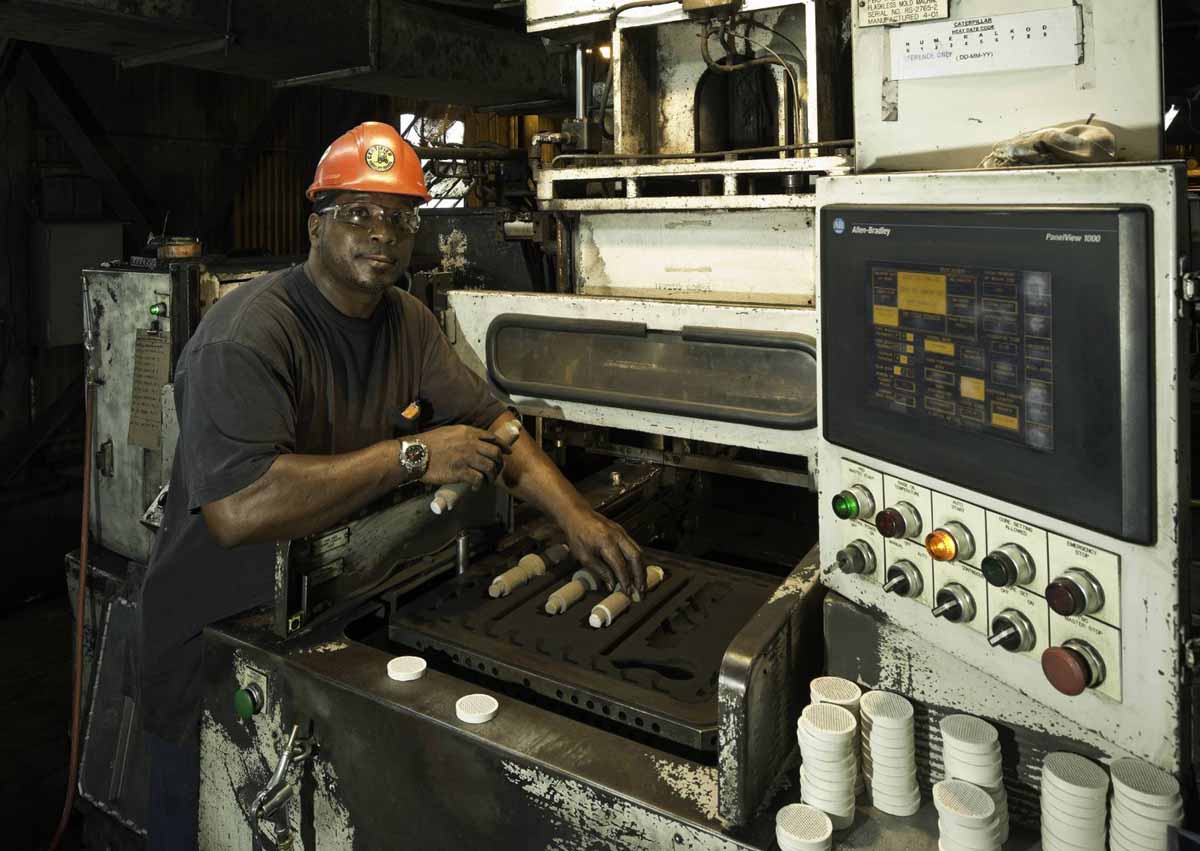
Foundries employ several casting techniques, each applicable to various requirements:
The most widespread is sand casting. Sand molds are simple to make and adaptable to most shapes.
Investment casting (also known as lost wax casting) is a casting process in which wax models are invested in a ceramic material, enabling the production of fine details and smooth surfaces.
Centrifugal casting uses the rotation of the mold to distribute the metal and is thus applicable on pipes or rings.
Gravity die casting utilises reusable metal molds into which liquid metal is poured, resulting in more predictable results than sand casting.
Why Foundries Matter
Foundries play a crucial role in the contemporary manufacturing sector. Your car and the appliances in your house would be far different without foundries, as most parts of your car would not have the familiar shape they do without them.
They also supply essential sectors such as construction, infrastructure, aerospace, and manufacturing, with complex, long-life, and usually highly specialised components.
Inside the Foundry: The Process Walkthrough
- Pattern & mold making: A pattern makes the negative space in which to cast.
- Core making: When you want hollow areas in a part, inserts are used.
- Melting of metals: The raw scrap and alloys are weighed, placed in furnaces, melted, refined, and then heated to the exact pouring temperature.
- Pouring: The molten metal is poured into molds.
- Cooling & shake-out: Mils are broken, and parts are removed after the solidification of the mold.
- Cleaning & finishing: Flash, gating remnants, and rough edges are trimmed, sandblasted, or machined.
- Secondary processes: These may involve machining, painting, or assembly- sometimes, these are relegated to other experts.
Safety, Sustainability & Technological Upgrades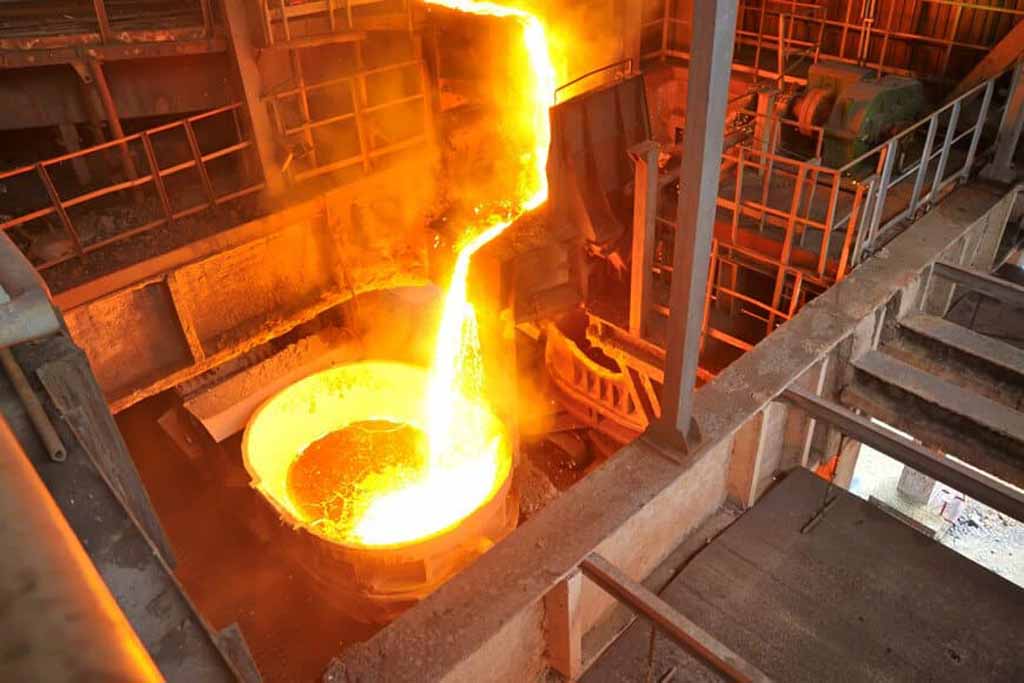
Foundries may become hot, dusty, and noisy. Currently, facilities are well-ventilated, emissions are controlled, and protective equipment is used to ensure worker safety.
Such environmental activities involve sand recovery systems, water treatment, and furnace upgrades.
Technology is also playing an increasingly significant role. CAD design and simulation Software will assist in foretelling the metal flow and avoiding defects before pouring.
More recent additive manufacturing processes (such as 3D-printed sand molds) are being used alongside traditional casting to accelerate manufacturing and lower costs.
Final Words
It may be the car you drive, the door you open, the machinery that keeps civilization on the move; in any case, foundries have quite a shaping influence on our world.
They combine ancient art with the latest technology, transforming molten metal into exact parts that have become synonymous with modern life.
Whenever you look at a metal object in your home or at your work, remember that it may have begun its existence in some busy, blazing foundries, where science and craft have a fling together of fire and shape.

