
Getting into an accident is stressful enough, but when the other driver is working for a rideshare company like Uber or Lyft, things can get even more complicated.
If you believe the rideshare driver caused the crash, it’s crucial to know how to demonstrate their fault.
If you’re unsure how to navigate the legal process after a rideshare accident, it’s a smart move to consult an experienced attorney for rideshare-related injury claims. They can guide you through the complexities and help protect your rights.
Still, by taking the right steps early and gathering solid evidence, you can begin building a strong case that clearly proves what happened and who was at fault. Here’s how to get started:
1. Document the Accident Scene Immediately
As soon as it’s safe, start collecting evidence at the scene. Use your phone to take clear photos and videos of:
- The rideshare vehicle (license plate, vehicle model)
- Any visible damage to all vehicles involved
- Road conditions, traffic signs, and any skid marks
- Your physical injuries (from multiple angles)
- Company branding (like Uber/Lyft stickers)
Write down details such as the time, date, location, weather, and anything unusual. Don’t rely on memory alone.
If you seek medical treatment, save all records and receipts, as these are vital for proving the extent and cause of your injuries.
2. Speak to Witnesses While They’re Still Present
Eyewitnesses can play a key role in confirming how the crash happened. If anyone saw the accident:
- Approach them politely and ask for their name, contact number, and email
- Ask them to describe exactly what they saw—not what they assume
- If they’re comfortable, record a statement on your phone (with their permission)
Avoid coaching them or pushing them to support your version. Neutral, fact-based witness statements can significantly strengthen your claim.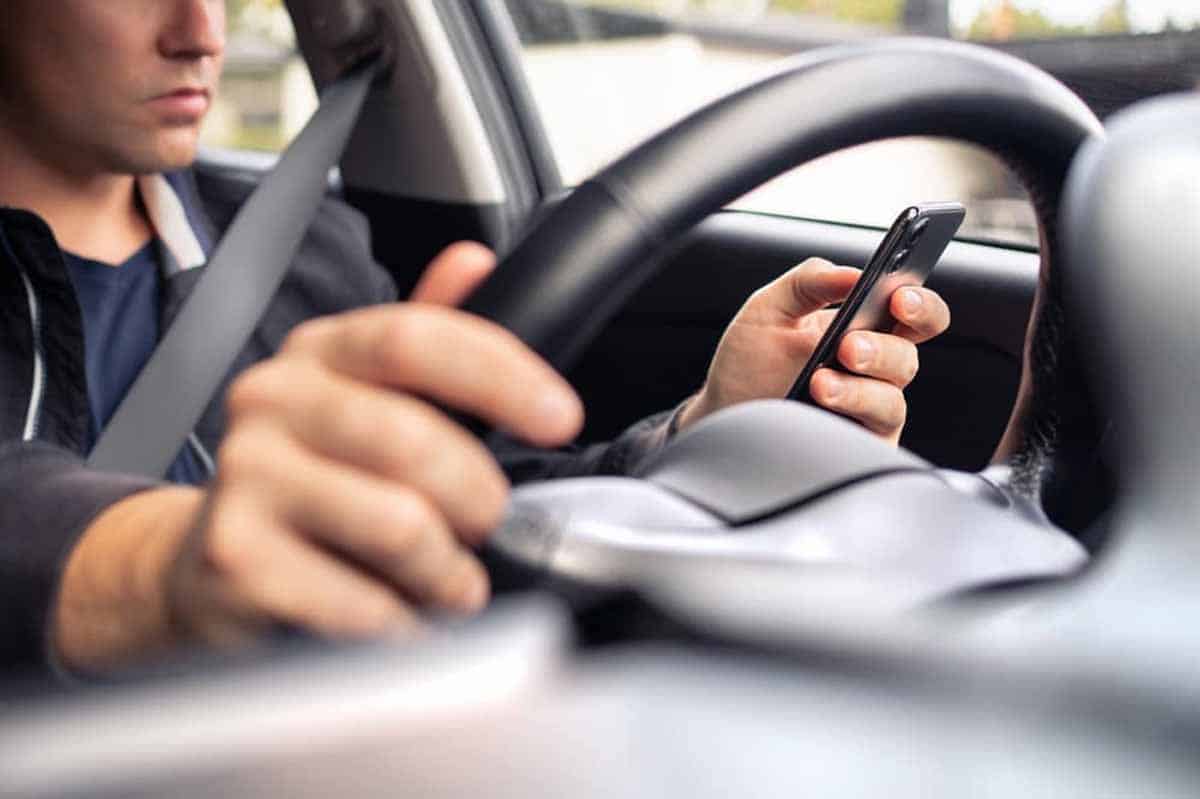
3. Obtain the Rideshare Company’s Internal Accident Report
Rideshare companies keep internal records of accidents involving their drivers. These reports can contain valuable information like:
- The driver’s version of events
- GPS data or timestamps showing the route
- Whether the driver was actively working (on a ride or waiting for one)
- In some cases, dashcam footage or app activity
To get this report, you usually need to file a formal request through the company’s customer service or legal department.
Act quickly—some data may be deleted after a short time. Once received, compare it with your evidence to spot inconsistencies or missing details.
4. Compile and Organize All Evidence
To prove fault, you need to show that the rideshare driver was negligent—for example, they were speeding, distracted, or violated a traffic law, and that their actions directly caused the crash.
Gather and organize the following:
- Photos/videos from the scene
- Medical reports and expenses
- Witness statements
- Police and rideshare company reports
Ask yourself: Does this evidence clearly show that the driver was at fault? If not, your attorney can help you fill in the gaps or gather more proof.
5. Work With a Personal Injury Attorney
Rideshare cases can involve large corporations, insurance companies, and complex legal processes. An experienced personal injury lawyer can:
- Request additional evidence (like surveillance footage)
- Handle communication with the rideshare company and its legal team
- Meet filing deadlines and represent you in settlement talks or court
Most attorneys offer free consultations, so it’s smart to get advice even if you’re unsure about filing a lawsuit. Their expertise can make the difference between a denied claim and a fair settlement.
 Conclusion
Proving a rideshare driver’s fault requires more than just saying they caused the crash—you need organized, credible evidence that clearly shows what happened and why they’re responsible.
With strong documentation and legal support, you can hold negligent drivers and companies accountable and pursue the compensation you deserve.

