
Have you ever wondered why some wounds heal faster than others, even with similar care? Healing depends on more than cleaning and dressing-it often requires removing what hinders repair.
Dead tissue, infection, and poor circulation can all slow recovery. Precision debridement offers a proven way to restore proper healing.
By focusing on removing only what is harmful, this method preserves healthy tissue. The result is cleaner wounds that heal faster and more effectively.
This article explains how precision debridement transforms wound recovery for better outcomes. Read on!
Understanding the Purpose of Debridement
Debridement is the process of removing non-living or damaged tissue from a wound to allow healthy tissue to grow. It clears away obstacles that block new cells from forming and encourages faster repair.
Without it, bacteria can multiply and delay the body’s natural healing process. This procedure reduces infection risk and enhances the body’s ability to close wounds efficiently. Healthcare professionals perform it to prepare the wound bed for healing or grafting.
The goal is always to protect healthy tissue while removing harmful material. When done correctly, it sets the foundation for strong and complete healing. Debridement is a cornerstone of proper wound management and care.
The Role of Precision in Wound Care
It takes skill to carefully remove dead or infected wound tissue. If you clean too hard, you can hurt living cells and make healing take longer.
With precision debridement, only unhealthy tissue is removed, leaving healthy areas alone. This careful approach cuts down on pain and speeds up recovery. It also stops the bleeding and keeps the new tissue safe.
To get controlled results, clinical experts use precise tools. This care lowers the risk of complications and makes patients feel better. Correct debridement makes it easier for wounds to heal.
How Dead Tissue Affects Healing
Neutrophils, which are dead cells, block the wound bed from new skin growth. It stops oxygen and food from getting to cells that are repairing themselves. This tissue is also a great place for bacteria to live, which raises the risk of getting an infection.
When it stays, inflammation keeps going, which slows down healing and hurts. Getting rid of the dead tissue helps the wound “breathe” again, which improves circulation and keeps it clean.
It’s hard for even strong immune systems to heal wounds without this step. Clinicians work hard to find and get rid of these problems as soon as possible. For tissue to heal quickly and properly, wound beds must be kept clean.
Different Types of Debridement Methods
There are several types of debridement, each suited for specific wound needs. Mechanical debridement uses tools like gauze or irrigation to remove debris. Autolytic debridement relies on the body’s enzymes to dissolve dead tissue naturally.
Enzymatic debridement uses topical agents to speed up that same process. Biological debridement involves sterile maggots that selectively eat necrotic tissue. Surgical or sharp debridement is performed by trained professionals using scalpels or scissors.
Each method varies in speed, precision, and patient comfort. Selecting the right one depends on the wound’s severity and the patient’s overall health.
The Art and Technique of Sharp Debridement
Among all methods, Sharp Debridement stands out for its precision and effectiveness. This technique uses sterile instruments like scalpels, forceps, and scissors to cut away dead or infected tissue.
It is often performed in clinical settings by wound care specialists or surgeons. The process allows immediate improvement in wound appearance and function.
Because it is targeted, it preserves healthy tissue while removing harmful material. This technique is especially valuable for chronic wounds or those showing infection. Proper training ensures minimal discomfort and controlled bleeding during the procedure.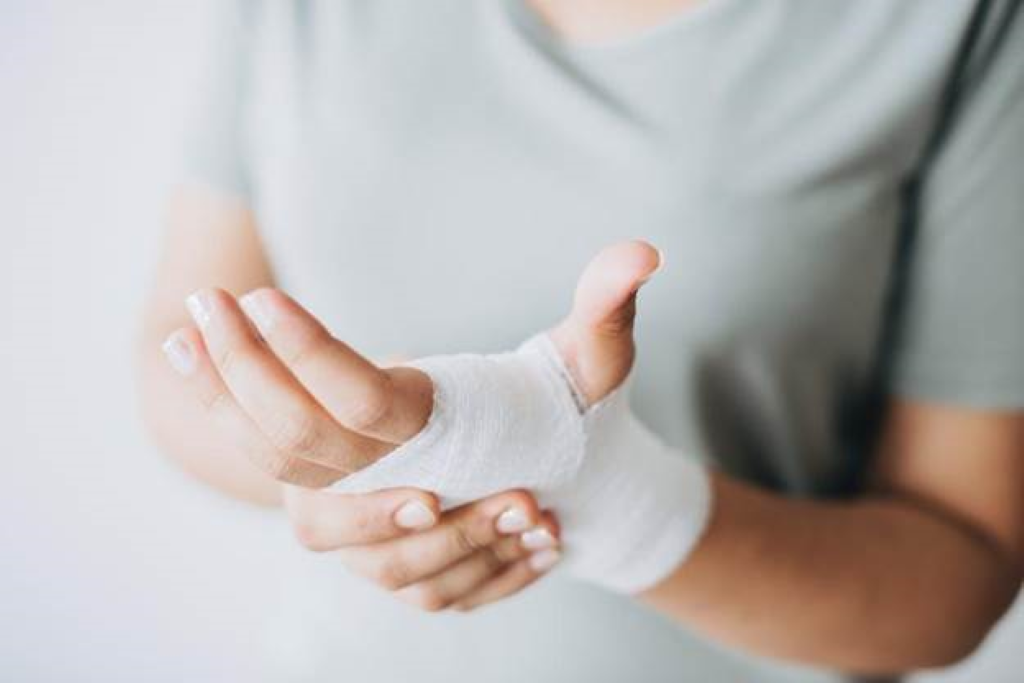
When Debridement Is Most Effective
This is the best way to clean a wound quickly to keep it from getting infected or to help it heal faster. It works really well on chronic wounds like diabetic, pressure, and venous leg ulcers.
This helps cut and scrape with thick, tough eschar or deep necrosis. This method works best for patients with stable conditions and healthy blood flow. It is usually part of a plan to care for a wound that also includes changing the dressing and keeping an eye on it.
When an infection is suspected, this method makes it easier to treat the skin. Right away, wound tissue that is cleaner and healthier shows results. Get treatment right away to avoid long-term problems.
Tools and Safety in Precision Techniques
To do precise debridement, you need to be careful and use the right tools. Instruments must be sterile to keep people from getting sick. Clinicians use good lighting and magnifying glasses to get more accurate results.
Wearing the right gloves, masks, and gowns keeps patients and staff safe. During the whole procedure, aseptic technique is very important. Be careful with each tool so you don’t hurt healthy tissue.
The process puts pain management and patient comfort first. If you follow these instructions, the procedure will go well and you’ll get better faster.
Benefits of Targeted Wound Cleaning
Patients benefit from cleaning wounds in specific ways. It gets rid of infected tissue, eliminates smells, and makes healing more visible.
If the wound bed is clean, better dressings and creams will work on it. The body can focus on fixing cells, which speeds up the healing process. Pain goes away when inflammation goes down.
The healthcare providers can better see how things are going. This process makes healing more predictable.
The Healing Process After Debridement
After debridement, the body fixes any damaged tissue. Fresh blood flow brings oxygen and food to cells, which helps them grow.
Dressings protect and keep the skin’s moisture level just right. During follow-up, infections and slow healing are watched for. New skin grows when you clean and change your dressings often.
There are times when more debridement is needed to move forward. Patients are advised on how to eat, stay hydrated, and relieve pressure. With each step, the wound gets better and can do its job again.
Using Precise Debridement Techniques To Promote Healing of Wounds
Precision debridement is one of the best ways to help wounds heal. By carefully removing damaged or dead tissue, this method brings back natural repair.
It makes the blood flow better, lowers the risk of getting infections, and makes new cells stronger. Clean wounds get better more quickly.
Precision debridement makes care for both new and old wounds better. The patient’s health, confidence, and comfort get better more quickly. To heal a wound, you need to be very precise and skilled.
Did you like this guide? Great! Please browse our website for more!

