
Employers are quick to toss around terms like “zero tolerance,” but when it comes to THC and workplace drug tests, the science doesn’t always match the policies.
You could have smoked a legal joint on vacation two weeks ago, shown up on time, delivered your best work, and still find yourself out of a job.
Not because you were impaired—but because the drug lingered in your system like an uninvited guest that HR spotted on the guest list.
For industries obsessed with productivity and liability, it’s easy to see why drug testing became standard. But that standard hasn’t kept up with the times.
Especially not with cannabis legalization spreading like wildfire, and even less so with the difference between being high and having been high becoming more than a legal gray area—it’s now a professional minefield.
THC Testing: What It Actually Measures (And What It Doesn’t)
The biggest misconception about THC drug testing is that it tells you whether someone is currently under the influence. It doesn’t. It can’t.
The standard urine test most employers use is not designed to detect impairment. Instead, it identifies metabolites—leftovers from your body processing THC. These can stick around for days or even weeks, depending on the person.
That means a worker who hasn’t consumed cannabis in over a week could still fail a test. And when employers don’t distinguish between recent use and active impairment, the outcome feels less like protection and more like punishment.
Imagine failing a breathalyzer because you drank a beer at your cousin’s wedding last Friday. That’s where workplace drug testing sits with cannabis.
So why hasn’t the testing method changed? Simplicity, mostly. Urine tests are cheap, widely available, and legally backed by decades of employer policy.
But they’re also embarrassingly outdated when you consider the margin of error they allow in judging someone’s sobriety.
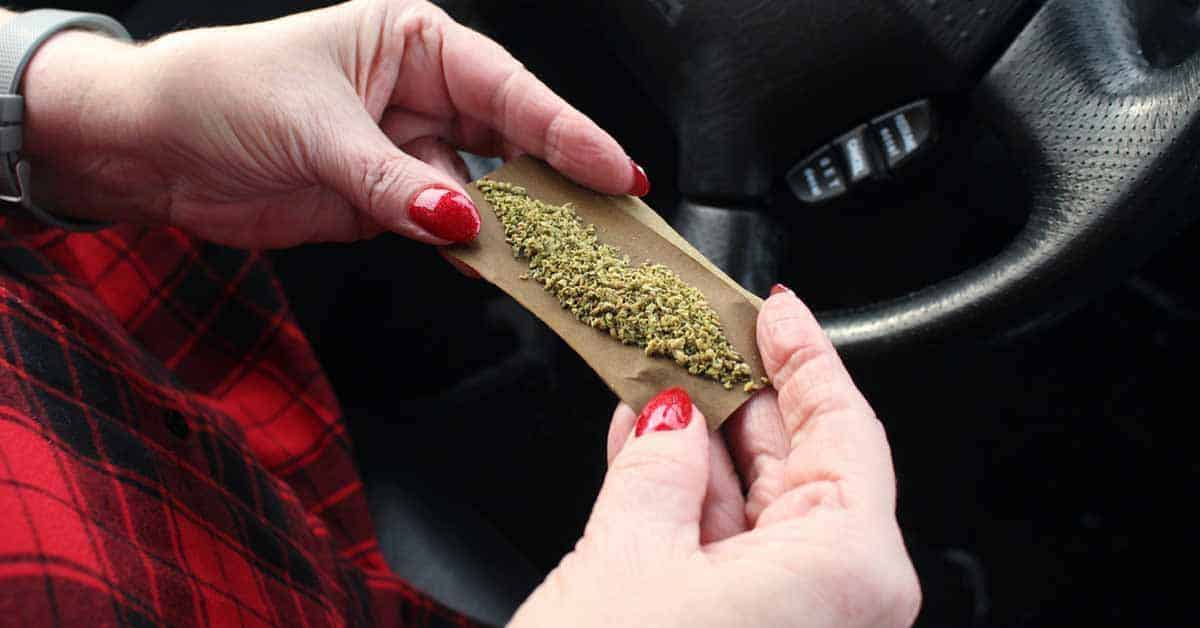 When Sobriety Isn’t Enough: Explaining the Aftermath of a Positive Test
For workers, especially in states where marijuana is legal, a positive THC result can come as a shock—particularly if the substance was used off the clock, legally, and far from the workplace. Yet job loss, disciplinary action, or being passed over for a position remains a common outcome.
What many don’t realize until it’s too late is that THC detection is more about presence than effect. And that’s where the trouble starts.
People trying to hold onto a job they’re good at suddenly find themselves scrambling to justify their lifestyle choices, even if those choices don’t affect their job performance.
In these situations, understanding how to explain failed drug test results becomes its own form of survival.
Workers might try to offer documentation, cite medical usage, or reference the laws in their state—but federal policies and employer guidelines usually win out.
The burden of proof rarely favors the employee, and that gap between what’s legally permitted and what’s professionally punished keeps widening.
And it’s not just blue-collar jobs on the line. Corporate workers, teachers, even healthcare professionals have lost positions over THC positives, regardless of whether they ever showed signs of being impaired at work. In some fields, it takes just one test to end a career.
The Legal Gray Area That No One Wants to Touch
Part of the problem is the mismatch between state and federal laws. Cannabis might be legal in your state, but it’s still classified as a Schedule I drug at the federal level—right alongside heroin.
That classification gives employers legal wiggle room to uphold blanket testing policies, even in states where weed is as common as wine.
Some companies have tried to modernize their policies, shifting away from pre-employment marijuana screening or reconsidering how they handle positives. But these are the exceptions.
Most HR departments stick to what they’ve always done because change comes with legal risk. Until cannabis is rescheduled or fully legalized federally, workplace reform around THC testing is likely to remain inconsistent.
And for workers, that inconsistency means living with uncertainty. Especially in industries where random drug tests are still a thing. One moment of legal recreation can turn into a career setback faster than you can say “metabolite.”
Addiction, Stigma, and the Irony of It All
There’s also a deeper irony at play. The obsession with catching THC usage often overshadows far more serious issues. People addicted to opioids, benzos, or alcohol may pass a test if the timing works in their favor.
And in many cases, they do. Drug screenings don’t measure functionality, judgment, or actual sobriety. They just look for specific substances. The ones that are easiest to catch tend to carry the most stigma, even if they’re not the most dangerous.
Meanwhile, the conversation around marijuana use continues to carry baggage from past decades.
The failed War on Drugs may be over in name, but its echoes still show up in cubicles, construction sites, and Zoom interviews.
And that creates real consequences for people who aren’t dependent on substances but simply made a choice that was legal in their state and irrelevant to their job.
In contrast, public figures who’ve openly struggled with substance issues—yes, we’re talking about celebrities with addictions—are often praised for their resilience when they get clean, applauded for being vulnerable, and sometimes even get more work after their stories go public.
Meanwhile, an ordinary person using cannabis on a weekend can be penalized into silence.
It’s a strange double standard. And it tells you everything about how society views addiction versus legality, and behavior versus biology.
What Happens Next Depends on Who’s Willing to Speak Up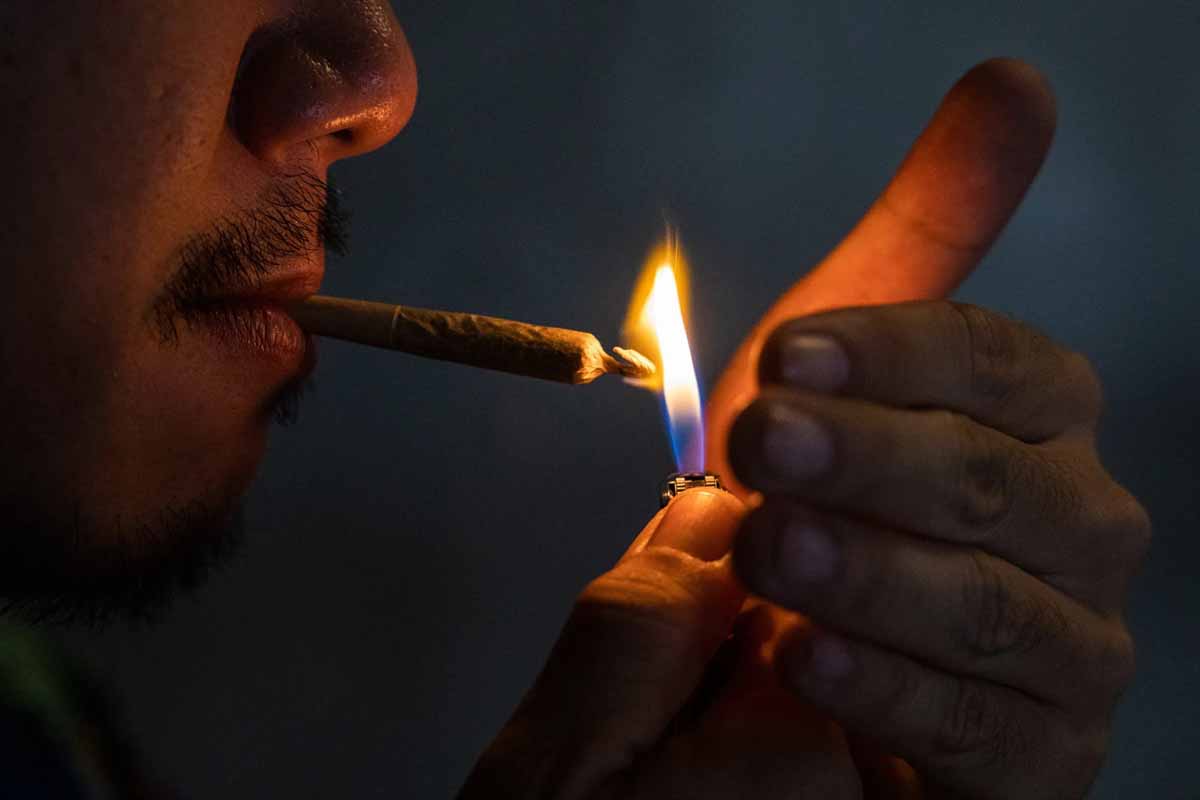
Change doesn’t usually come from the top. It starts with stories. People getting honest about what happened to them, what they lost, and what policies would have been written differently.
More employers are beginning to realize that losing good employees over lingering THC metabolites is both shortsighted and bad for business.
Some legal experts are calling for tests that measure actual impairment—like oral fluid or cognitive function assessments—but those still aren’t widely adopted.
Until then, employees in many fields are left guessing what their employers will tolerate and whether a weekend decision could cost them their livelihood.
The tension between personal choice and professional compliance isn’t going away anytime soon. But pretending that old drug tests are a reliable measure of modern life? That’s getting harder and harder to defend.
Cannabis might be legal where you live, but that doesn’t mean your job agrees. And until workplace policies catch up with science and society, a test result can still carry more weight than common sense.

